-
Hormone Therapy: Improving Quality of Life for Women
As women age, their hormone levels naturally decline, leading to a variety of uncomfortable symptoms such as hot flashes, mood changes, and vaginal dryness. Hormone therapy (HT) is a treatment option that can help alleviate these symptoms and improve the overall quality of life. In this blog post, we will explore why women may choose to use hormone therapy in Bryan, the potential benefits, and considerations to keep in mind.
Why Use Hormone Therapy?
Hormone therapy can be used to alleviate symptoms of a hormone imbalance caused by natural aging or surgical menopause. Hormone therapy can also be used to manage symptoms of certain medical conditions, such as endometriosis and polycystic ovary syndrome (PCOS). HT can also be used to reduce the risk of osteoporosis, a condition that weakens bones and increases the risk of fractures.
Potential Benefits of Hormone Therapy
One of the main benefits of hormone therapy is that it can alleviate symptoms of hormone imbalance, which can greatly improve quality of life. Hormone therapy can reduce the frequency and severity of hot flashes, night sweats, and vaginal dryness, as well as improve mood and cognitive function.
Another potential benefit of hormone therapy is that it can reduce the risk of osteoporosis. As women age, their bones become more fragile, which can increase the risk of fractures. Hormone therapy can help maintain bone density and reduce the risk of fractures.
Role Of Menopausal Hormone Therapy On Improving Quality Of Life
The role of hormone therapy in improving quality of life has been well documented. Some Clinic reports that hormone therapy can “increase energy, help reduce anxiety and depression, improve sleep, and ease other symptoms of menopause.” Additionally, hormone therapy has also been shown to improve cognitive function and bone density. Many women report that these benefits surpass their expectations.
Although there are many benefits to taking hormone therapy, it is important to discuss options with your doctor. Various dosages and types of hormones are available, so determining which option is best for you requires active involvement from both you and your doctor. Additionally, many women find that lifestyle changes (such as eating a healthy diet and getting regular exercise) are also key to maintaining an improved quality of life during menopause.
Conclusion
Hormone therapy is a treatment option that can greatly improve the quality of life while experiencing symptoms of hormonal imbalance in women or managing certain medical conditions. While there are potential risks and side effects associated with hormone therapy, many women find that the benefits outweigh the risks. If you are considering hormone therapy, it is important to discuss the potential benefits and risks with a healthcare provider and determine if it is a safe and appropriate treatment option for you.
-
How Well Do You Know the Impacts of Hormone Replacement Therapy?

Hormone replacement therapy (HRT) is one of the most popular medications prescribed to women today. But what are its impacts? And how well do you know them? In this blog post, we’re going to explore the impacts of hormone replacement therapy and help you learn about some of the potential side effects. We’ll also cover some ways to minimize or avoid these side effects and give you tips on how HRT can benefit your health.
What is Hormone Replacement Therapy?
Hormone replacement therapy (HRT) is the most common type of hormonal treatment used to relieve symptoms of menopause, including hot flashes, mood swings, vaginal dryness, and skin problems. HRT is also used to treat other conditions such as osteoporosis and breast cancer. However, there are many myths about HRT which can have negative consequences for women. Here are four of the most common myths about HRT:
- HRT will cause cancer.
There is no evidence that hormone replacement therapy (HRT) increases the risk of cancer. In fact, many studies have shown that HRT can protect women from developing cancer. However, it is always important to talk to your doctor before starting any type of hormonal treatment because there are potential side effects associated with all types of hormones, including HRT.
- HRT will make you less able to have children later on in life.
Although taking hormones can decrease fertility temporarily during treatment, this effect usually goes away after a few months. And even if fertility does decline after starting HRT, there is no guarantee that continued use will restore fertility. If you decide you want to have children later on in life, it’s best to talk with your doctor about options for reversible contraception or assisted reproductive technologies (ART).
Types of HRT
The types of hormone replacement therapy (HRT) include oral contraceptives, testosterone, and estrogens. Each type has different impacts on the body. Oral contraceptives prevent ovulation, which reduces the chances of getting pregnant. Testosterone and estrogens increase muscle mass and help to relieve symptoms such as hot flashes, vaginal dryness, and cramps.
How Much HRT is Enough?
Since hormone replacement therapy (HRT) is an often-used treatment for hormonal imbalances, many people are curious about the effects of HRT on their health. In this article, we will provide you with some important information about HRT and its potential impacts on your overall health.
First and foremost, it is important to understand that there are a variety of different types of HRT medications available on the market today. Each has different benefits and risks associated with them, so it is important to speak with your doctor before starting any type of HRT therapy.
The most common type of HRT therapy prescribed in the United States is oral estrogen therapy, which includes taking synthetic versions of estrogen such as estradiol or conjugated equine estrogens (Premarin). These medications can help treat symptoms associated with menopause like hot flashes, vaginal dryness, and mood changes. However, these medications also have potential side effects including cervical cancer, stroke, heart attack, osteoporosis, and migraines. As a result, it is important to carefully weigh the pros and cons of each type of HRT before starting treatment.
Another common type of HRT prescribed in the United States is transdermal testosterone therapy (TMT), which includes applying a patch containing testosterone to your skin every day. TMT has been shown to be effective for treating symptoms related to low testosterone levels like fatigue, decreased muscle mass, decreased sex drive, erectile
The Benefits of HRT
Hormone replacement therapy (HRT) has been shown to have a variety of benefits for women including reductions in the risk of heart disease, stroke, and cancer, as well as improved quality of life. However, not all women are suitable for HRT and there are some potential risks associated with it. Here is a look at some of the benefits and risks of HRT:
The benefits of HRT include reductions in the risk of heart disease, stroke, and cancer. These benefits are due in part to the increased levels of estrogen and progesterone which can improve blood flow and reduce the risk of these diseases. Additionally, HRT can improve quality of life by reducing symptoms such as hot flashes and joint pain. However, not all women are suited for HRT because it may increase the risk of serious health problems such as breast cancer or heart disease.
The potential risks associated with HRT include an increased risk of breast cancer. This is due to the fact that estrogen increases the chance that cells will become malignant (cancerous). Additionally, HRT may increase the risk of developing other types of cancers such as those affecting the uterus or ovaries. There is also a theoretical chance that taking hormones for long periods of time may lead to conditions such as endometrial cancer or prostate cancer in men. Although these risks are relatively small when compared to the benefits associated with HRT, they should be considered when deciding whether or not to take this medication.
When to Start HRT
There is no single answer to this question since hormone replacement therapy (HRT) can have a number of different effects on different people. However, there are some general guidelines that can help you decide when it might be time to start HRT.
If you are over the age of 65: If you are over the age of 65, your overall health and well-being should be your main concern when making decisions about HRT. HRT may not be as effective in younger women, and could even increase your risk for certain health problems. Before starting HRT, speak with your doctor about your specific risks and benefits.
If you have signs or symptoms of menopause: If you experience any signs or symptoms associated with menopause such as hot flashes, mood swings, or vaginal dryness, it’s likely that you are approaching the stage where HRT would be beneficial. Speak with your doctor to see if HRT is right for you and discuss the potential risks and benefits involved.
If you have an autoimmune disease: It’s important to talk with your doctor before beginning any form of HRT if you have an autoimmune disease because the treatments can cause serious side effects. Additionally, most forms of HRT require regular blood tests to monitor for harmful side effects.
Conclusion
In this blog, we’ve discussed hormone replacement therapy: what it is, how to use it. If you are a woman over the age of 40, chances are that you have been prescribed HRT in order to relieve symptoms associated with menopause such as hot flashes, night sweats, and mood swings. However, there are also serious risks associated with HRT including increased rates of cancer and other health problems. In fact, some studies suggest that up to half of all women who take HRT will experience adverse side effects. So if you are considering using HRT, it is important that you understand the risks and benefits so that you can make an informed decision.
-
How Hormone Replacement Therapy Can Improve Your Libido

When you think about hormone replacement therapy, what may come to mind is Viagra or testosterone injections. But what about other forms of HRT? There are a variety of options out there, each with its own set of benefits and drawbacks. In this blog post, we will explore two forms of HRT—estrogen and progesterone—and how hormone therapy can improve your libido.
What a libido means?
There’s no one definitive answer to this question, as everyone experiences libido in their own way. But generally speaking, a high libido means that you’re sexually active and are interested in sex frequently. Low libido, on the other hand, can mean that you don’t feel sexual desire often or at all. It can be a sign of trouble with your sex hormones, like testosterone or estrogen, or it could be a side effect of medications or other treatments you’re taking. If you think your libido is low, talk to your doctor about possible solutions. Hormone replacement therapy (HRT) can help improve your libido by restoring balance to your sex hormones.
How menopause affects sex drive
Menopause is a natural process that affects most women during their late 40s or early 50s. As levels of the female hormone estrogen drop, women may experience a decrease in libido. Hormone replacement therapy (HRT) can help improve libido and sexual function. HRT works by replacing the hormones that are lost during menopause.
Restoring your hormone levels with Hormone Replacement Therapy
Hormone replacement therapy (HRT) is a safe, effective way to restore hormone levels and improve your libido. By restoring balance to your hormonal system, HRT can help improve overall sexual function.
The most common types of HRT are estrogen and testosterone replacement therapy. Estrogen helps increase blood flow and stimulate the growth of vaginal tissue, while testosterone helps to improve mood and libido.
There are several ways to restore hormone levels with HRT:
- Oral contraceptives: Taking oral contraceptives can help to restore hormone levels by preventing ovulation. Ovulation restores estrogen levels in women, which can improve libido.
- Breastfeeding: Breast milk contains natural estrogens that can help reduce symptoms of menopause such as dry skin, thinning hair, and a decrease in sex drive. Nursing also increases the production of testosterone in the body, which may improve libido.
- Hormone therapy injections: Injections of either estrogen or testosterone can be given every three months into the dermis (the layer beneath the skin). This method is more rapid than taking oral contraceptives or breastfeeding but has fewer side effects.
Start feeling better about sex
Hormone replacement therapy (HRT) is a treatment option for women who are experiencing low sex drive or libido. HRT can improve your libido by restoring balance to your hormones.
There are several types of HRT, each with its own benefits and drawbacks. The most common types of HRT are oral contraceptives, which are effective in preventing pregnancy but may also cause changes in your menstrual cycle and increased estrogen levels. Other types of HRT include testosterone replacement therapy, which has been shown to improve sexual function and quality of life in many women; estradiol replacement therapy, which is particularly effective in restoringlibido; and progestin replacement therapy, which is associated with fewer side effects than other types of HRT but doesn’t seem to have as big an impact on sexual function.
Before starting any type of HRT, it’s important to speak with your doctor about your specific symptoms and needs. You’ll also need to be sure that you’re eligible for the treatment and that it’s safe for you to take. Once you’ve decided on a type of HRT, you’ll need to begin taking it as prescribed by your doctor.
Conclusion
If you are like many women, you may be struggling with low libido. Perhaps your sex drive has plummeted in recent years, or you have difficulty reaching orgasm even when sexually active. If this describes you, hormone replacement therapy may be the solution for you! Hormone replacement therapy (HRT) helps to restore the levels of hormones that are typically lost during menopause and other periods of hormonal change. This can improve your overall libido and sexual function, allowing you to enjoy a more fulfilling and satisfying relationship with your partner. Give us a call today if HRT is right for you!
-
Menopause: How It Affects Women And What You Can Do To Help

Menopause is a natural process that happens to all women as they reach the end of their reproductive years. Symptoms of menopause can vary from woman to woman, but they often include changes in mood, sleep, appetite, and sexual function. In this blog, we’ll talk about hormone therapy for menopause to manage its symptoms and feel better throughout the transition into menopause.
What is menopause?
Menopause is the time of life when a woman’s natural monthly menstrual cycle stops. This usually happens between the ages of 45 and 55, but it can start at any age. During menopause, a woman’s ovaries no longer produce eggs. This change can lead to hormonal changes, hot flashes, mood swings and other symptoms.
There isn’t one answer to whether or not menopause is a good thing. For some women, it’s a peaceful time of transition that allows them to focus on other things in their lives. For others, it can be a difficult time with lots of changes happening inside their body. The important thing is to talk about what feels comfortable for you and find support from your friends and family during this time.
How does Menopause Affect Women?
Menopause is a time of life when women go through a natural process of losing their ovaries. It’s typically caused by the natural decrease in estrogen levels that happens as a woman approaches her late 30s or early 40s. This change can cause many different symptoms, but they usually lessen over time.
Symptoms of Menopause and How to Relieve Them
As a woman approaches menopause, she may experience a variety of symptoms that can vary in intensity and duration. Some common symptoms of menopause include:
Hot flashes
Suffer from vaginal dryness? Menopause may be causing it. Vaginal dryness is a common symptom of menopause, according to the Mayo Clinic. Causes may include changes in hormones, decreased estrogen levels, and age. Treatment options may include using moisturizers and dyes or using prescription treatments such as estrogen replacement therapy (ERT).
Weight gain or weight loss
While women go through many changes during menopause, one of the most significant is an increased risk for weight gain or weight loss. According to the National Institutes of Health (NIH), hormonal changes can lead to an increase in appetite and cravings for high-calorie foods. Additionally, lower levels of estrogen may cause muscle wasting and make it more difficult to lose weight. If you are struggling to maintain your weight despite following a healthy diet and exercise routine, talk with your doctor about possible treatment options, such as hormone replacement therapy (HRT) or surgery to remove excess fat from around the abdomen.
Sensitivity to sunlight
During menopause, the production of the hormone estrogen drops, which may cause skin to become more sensitive to sunlight. Sun exposure can cause sunburns and skin cancer in women, so it’s important to use sunscreen and avoid being outdoors during peak hours when the sun is strongest. If you experience severe sun sensitivity, talk with your doctor about possible treatment options, such as using a sunblock with a higher SPF level or using a light therapy device.
Sleep difficulties
As levels of estrogen drop during menopause, sleep may become disrupted. This could lead to irritability and mood swings, as well as difficulty concentrating and remembering things. If you are struggling to get enough sleep, talk with your doctor about possible treatment options, such as prescription drugs that help people fall asleep or therapies that use light and sound to help people sleep.
Nausea
Menopause can cause a variety of symptoms, one of which is nausea. According to the Mayo Clinic, symptoms may include feeling sick most of the time, having lightheadedness or dizziness, and feeling like you can’t keep your food down. If you are experiencing any of these symptoms, talk with your doctor about possible treatment options, such as medication or therapy that helps to improve your appetite or digestion.
Things You Can Do To Help Women Prepare For Menopause
There are a number of things you can do to help prepare for menopause. Here are five tips:
1. Talk to your doctor. You should discuss the signs and symptoms of menopause with your doctor, so you can get an accurate diagnosis and start the right treatment plan.
2. Get regular physical exams. It’s important to keep track of your health throughout your life, but especially during menopause, when your body is going through major changes. A regular check-up can help identify any potential health problems early on and recommend appropriate treatments.
3. Make sure you’re getting enough exercise. Exercise is one of the best ways to improve your overall health and well-being, including during menopause. Aim for at least 30 minutes of moderate exercise every day, or 75 minutes if you’re overweight or have a chronic health condition such as heart disease or diabetes.
4. Eat a healthy diet full of fruits and vegetables. Eating a balanced diet is essential for everyone, but it’s especially important during menopause because it can help reduce the risk of various diseases and conditions, including heart disease and stroke. Include plenty of fruits and vegetables in your meals as well as snacks between meals to make sure you’re getting the recommended amount of nutrients.”
5 Finally, keep stress levels low. Stressful situations can exacerbate symptoms such as hot flashes and insomnia in women during menopause.”
Treatments
When a woman goes through the menopause, her body undergoes many changes. The ovaries stop producing eggs and she may experience hot flashes, night sweats, mood swings and vaginal dryness. There are many ways to help make these transitions smoother – from medication to lifestyle choices.
One of the most important things you can do is keep stress levels low. Try to get enough sleep, avoid caffeine and alcohol, eat a balanced diet and exercise regularly. Regular physical activity can help reduce symptoms such as anxiety and depression, both of which can impact your mood and energy level during the menopause.
Many women find relief from their symptoms by taking hormone replacement therapy (HRT). HRT medicates a woman’s body to produce more estrogen or testosterone according to her needs. It’s available in various forms such as tablets or patches that you wear on your skin for several weeks at a time. Some people choose not to take HRT due to concerns about side effects; others find it helpful in relieving their symptoms.
There are other ways to manage menopausal symptoms without resorting to medication or surgery. Therapies such as yoga, meditation and aromatherapy may help boost moods and ease anxiety. And there are plenty of natural remedies out there that have been tried and tested with great success – like yogurt containing live active cultures that helps regulate your digestive system, soy products that are high in plant estrogens which have a calming effect on the brain and herbs
Conclusion
Menopause is a natural process that most women go through around the age of 50. It can be a time when many women experience changes in their hormones and overall health. These changes may include mood swings, hot flashes, vaginal dryness, and a decrease in sexual desire. While there is no one-size-fits-all solution to managing menopause, but with hormone therapy, you can help make the process as comfortable as possible.
-
Menopause And Vaginal Dryness: How To Treat It
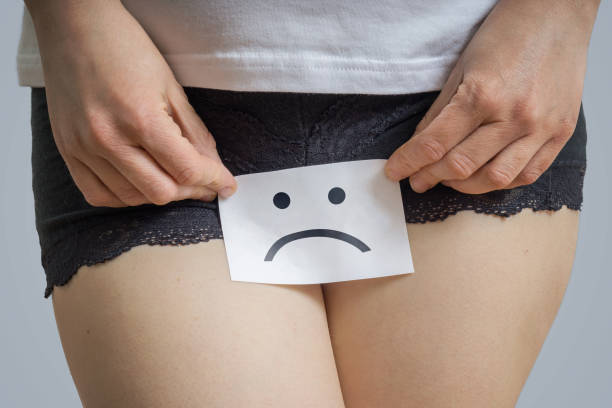
Menopause is the natural end of a woman’s reproductive years, which includes the menstrual cycle and vaginal dryness. The article discusses the topic of menopause and vaginal dryness, providing information on the causes, effects and Estrogen Replacement Therapy for vaginal dryness in women.
What is Vaginal Dryness?
Vaginal dryness is a common symptom of menopause. It can be caused by a variety of factors, including hormone changes, reduced estrogen production, and decreased moisture levels in the vagina. If you experience vaginal dryness, there are a few things you can do to try to alleviate it.
One way to treat vaginal dryness is to use moisturizers or creams that contain estrogen or other ingredients that help to increase moisture levels in the vagina. You can also try using a water-based lubricant during sex to help reduce friction and improve the quality of your sexual experience. If you experience severe vaginal dryness, you may need to see a doctor for treatment.
Causes of Vaginal Dryness
The most common causes of vaginal dryness are hormonal changes and age. In women going through the transition to menopause, estrogen levels fall and the amount of natural lubrication decreases. This can lead to thinning and drying of the vaginal walls. Other factors that can contribute include:
- Stress
- Pregnancy
- Chemotherapy or radiation treatment for cancer
- Diabetes
- Weight loss or gain
- Smoking
How to Treat Vaginal Dryness
If you’re experiencing vaginal dryness, there are a few things you can do to help. First, make sure you’re getting enough moisture through your diet and by drinking plenty of fluids. Second, consider using a moisturizer or topical cream on your vulva. Finally, use a condom if sex is going to be an important part of your treatment plan.
Options for Treating Vaginal Dryness
There are many different options for treating vaginal dryness during menopause. One approach is to use a moisturizer daily. You can also use a humidifier, use feminine wipes, or apply a topical cream or gel. You can also try a prescription medication such as desogestrel, which is available in the United States as an over-the-counter product. Another option is to undergo therapy specifically designed to treat vaginal dryness.
Estrogen Replacement Therapy for vaginal dryness
If you are experiencing vaginal dryness, there are a few things you can do to help alleviate the discomfort. One option is to try estrogen replacement therapy (ERT). ERT is a treatment that replaces the natural decline in estrogen levels that happens during menopause. This can help improve vaginal lubrication and reduce symptoms of dryness. You may also want to consider other treatments such as topical creams or oral medications. If these measures don’t provide relief, speak with your doctor about other options, such as hormone therapy or surgical treatments.
Conclusion
In this article, we’ve discussed the different causes of vaginal dryness and how you can treat it. We also covered topical treatments, such as Hormone Therapy, corticosteroids, as well as medications that can be taken orally. By following these tips, you should be able to improve your symptoms and feel more comfortable during your period.
-
Hello World!
Welcome to WordPress! This is your first post. Edit or delete it to take the first step in your blogging journey.
-
Subscribe
Subscribed
Already have a WordPress.com account? Log in now.
 AB Hormone Therapy